
By Paul Aondoakaa
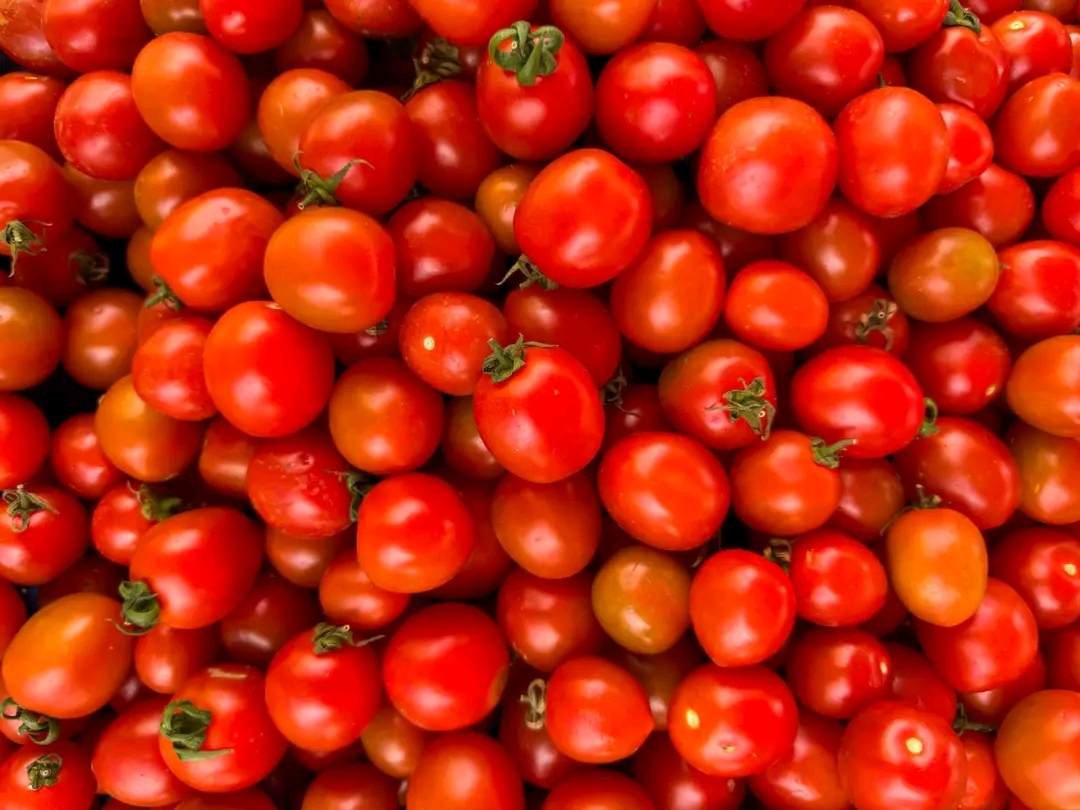
Residents across the Federal Capital Territory are grappling with a sharp increase in tomato prices, now selling as high as ₦170,000 per basket in some markets. Traders and consumers say the surge is worsening living conditions and straining small businesses and household budgets.
Markets across Abuja and surrounding communities are witnessing an unprecedented rise in the cost of tomatoes, a staple ingredient in Nigerian households.
At major trading points, including Suleja Market and Garki New Market, traders report that a large basket of tomatoes now sells between ₦150,000 and ₦170,000, up from ₦85,000 to ₦90,000 just weeks earlier.
Vegetable seller Malam Isah Ado said the market is under pressure from multiple supply-side challenges, including seasonal scarcity, post-harvest losses, and rising transport costs from producing regions to the capital.
Traders argue that the situation is being misunderstood by customers, who often assume profiteering. According to them, margins remain thin as costs accumulate along the supply chain.
A trader identified as Ms Philomena Bassey said transportation from producing states has become significantly more expensive, forcing retailers to adjust prices despite low profit margins.
Small-scale trader “Mummy Juli,” who operates around Kubwa, described worsening scarcity in local markets. She noted that traders now share baskets among more people to manage rising costs, reducing individual stock levels and sales capacity.
She also reported sharp increases in retail portions, with small tomato containers rising from about ₦4,000–₦4,500 to as high as ₦10,000. In smaller retail units, prices that once stood at ₦100 per portion now exceed ₦1,000, pushing many low-income customers out of regular purchasing patterns.
Consumers across the city are feeling the pressure. At Dutse Market, Mrs Angella Ikenna, a mother of two, said she now buys tomatoes daily instead of weekly due to cost constraints.
Similarly, Mr Moses Sunday, a nurse, said the rising cost is worsening the broader economic strain on households.
In Dei-Dei, residents also reported reduced access to affordable quantities, with many turning to substitutes or scaling down consumption.
While traders cite supply chain and seasonal factors, the Federal Capital Territory market system continues to experience volatility, raising concerns over broader food inflation trends.
Tomatoes hit ₦170,000 per basket as Abuja residents feel pressure on food costs
Tomato prices in FCT markets have surged to between ₦150,000 and ₦170,000 per basket, driven by scarcity, transport costs, and post-harvest losses, leaving traders and households under mounting pressure.



Comments
Join the Discussion
No comments yet. Be the first to share your thoughts!
Sign in to join the conversation.