
By Israel Moses
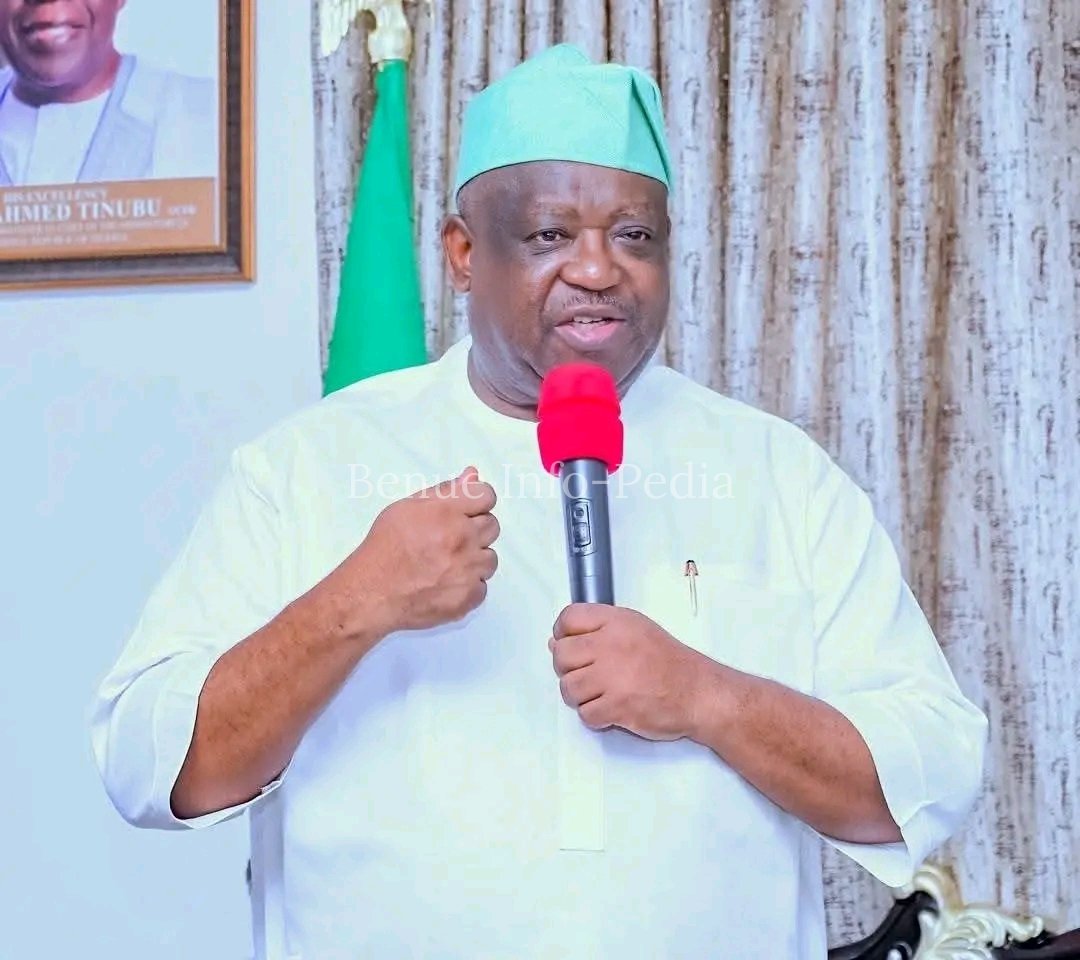
Plateau State Governor Caleb Mutfwang on Sunday received a comprehensive two-volume strategic report from a committee chaired by former Governor and Senator Joshua Dariye, constituted to harmonize the state's peace-building agenda following a high-level meeting with President Bola Tinubu. The governor described the document as a "strategic roadmap" and announced that its findings will be presented to a wider stakeholders' assembly to ensure every community has a voice in the search for durable peace. The committee warned that Plateau's deepening insecurity stems from multiple, layered causes and cannot be solved by military responses alone.
Governor Caleb Manasseh Mutfwang on Sunday received the final report of a strategic committee he established to develop a coherent engagement framework following Plateau State's delegation visit to President Bola Ahmed Tinubu at the Presidential Villa. The formal submission took place at the Old Government House, Rayfield, Jos.
The committee, chaired by former Plateau Governor Senator Joshua Dariye, was mandated to harmonize issues raised during the presidential visit, identify priority areas requiring federal intervention, and recommend sustainable measures to promote peace, security, social cohesion, and development across the state.
"When we visited Mr. President, it was evident that he has a genuine concern for Plateau State. That is why he gave us clear marching orders to reignite and reinvigorate the search for lasting peace on the Plateau." — Governor Mutfwang
The governor said President Tinubu personally directed Plateau State to intensify efforts toward restoring enduring peace, and that the committee was formed partly to address what he described as "widespread misrepresentation" of the visit's purpose in some media quarters.
Dariye, presenting the report, disclosed that it spans two volumes containing detailed analyses, key findings, implementation frameworks, and practical recommendations for government action. He stressed that the state's peace and security challenges are "multidimensional, historical, layered, and dynamic."
"The increasing insecurity in the state cannot be attributed to a single factor." — Senator Joshua Dariye, Committee Chairman
A critical finding of the committee is that Plateau State already possesses numerous reports, policy documents, and peace initiatives, but has historically suffered from inadequate implementation, weak institutional support, inconsistent follow-up, personnel discontinuity, and insufficient accountability. The report urges that this cycle be broken.
The recommended stabilization and recovery framework goes far beyond military responses. It covers protection of vulnerable communities, support for internally displaced persons (IDPs), reconstruction of destroyed settlements, livelihood restoration, trauma healing, youth empowerment, women's participation, interfaith collaboration, traditional conflict mediation, and education.
Governor Mutfwang commended traditional rulers, religious leaders, and political leaders across ethnic lines for sustaining dialogue. He announced that the report will be laid before a broader Plateau stakeholders' assembly, underscoring that those who attended the presidential visit do not represent the totality of the state's interests.
"Many who were unable to make the trip also have valuable perspectives that deserve to be heard. We must therefore create an enabling environment where every interest group has a voice at the discussion table." — Governor Mutfwang
Dariye also called for deliberate strategic communication to reshape Plateau's image nationally and globally, moving the state's narrative away from conflict toward peace, resilience, investment, tourism, and opportunity.
The submission signals that the Mutfwang administration intends to pursue evidence-based, consultative, and institutionally grounded solutions rather than reactive measures to the state's protracted security challenges.
"Every Interest Group Must Have a Voice" — Mutfwang Opens Plateau Peace Report to Broader Stakeholder Assembly
Governor Caleb Mutfwang has received the strategic committee report chaired by former Governor Joshua Dariye, describing it as a roadmap for lasting peace, security reforms and sustainable development in Plateau State.
Comments
Join the Discussion
No comments yet. Be the first to share your thoughts!
Sign in to join the conversation.