
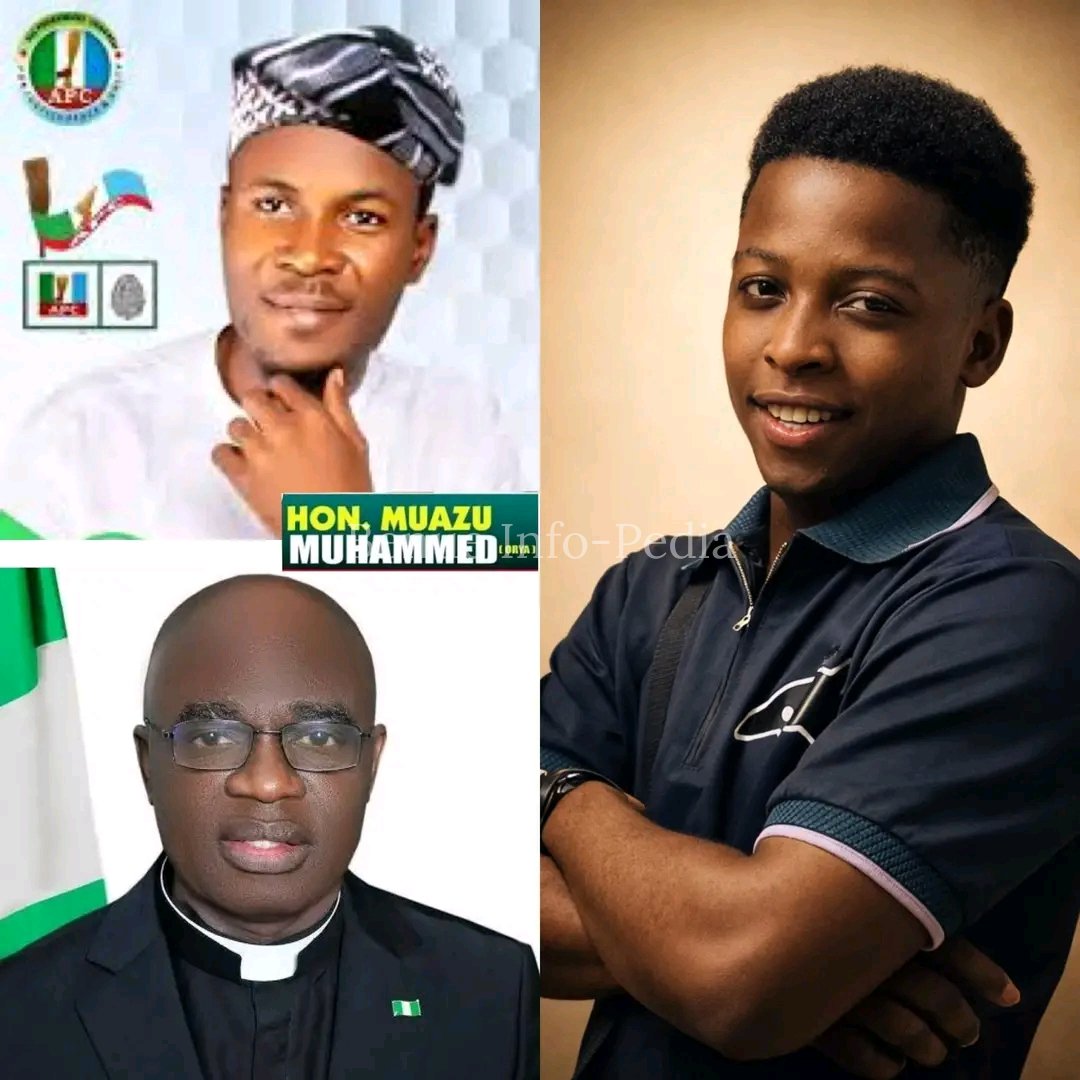
By Paul Aondoakaa, Makurdi
A public debate has emerged following comments by social media commentator Yung Bwoih Music regarding the election of Muazu Mohammed as councillor representing Gboko Central in Benue State. The commentator expressed concerns about indigenous representation in Tiv cultural strongholds and suggested the development could have long-term implications for traditional institutions.
However, no publicly available evidence has been presented linking the councillorship position to any plan to establish an Emirate structure in Benue State, making the assertion an unverified opinion rather than an established fact.
Social media commentator Yung Bwoih Music has publicly expressed concern over the emergence of Muazu Mohammed, described by the commentator as a Fulani man, as councillor representing Gboko Central in Benue State.
In a post shared online, Yung Bwoih recalled that he had earlier opposed Mohammed's candidacy but said his concerns were dismissed by some members of the public who viewed the position as an ordinary township councillorship.
The commentator questioned whether Tiv people would be able to occupy similar elective positions in several northern states and argued that indigenous communities should be adequately represented in their ancestral territories.
According to him, Gboko occupies a special place in Tiv history, culture, and political identity and therefore requires careful consideration regarding political representation.
Concerns About Traditional Institutions
Yung Bwoih further linked his concerns to broader fears regarding the future of traditional institutions in Benue State.
He alleged that the election of a Fulani councillor could potentially form part of a gradual process that may eventually result in the establishment of an Emirate structure within the state.
Drawing comparisons with developments in neighbouring Nasarawa State, he argued that changes to traditional leadership structures could alter existing power arrangements and influence local governance dynamics.
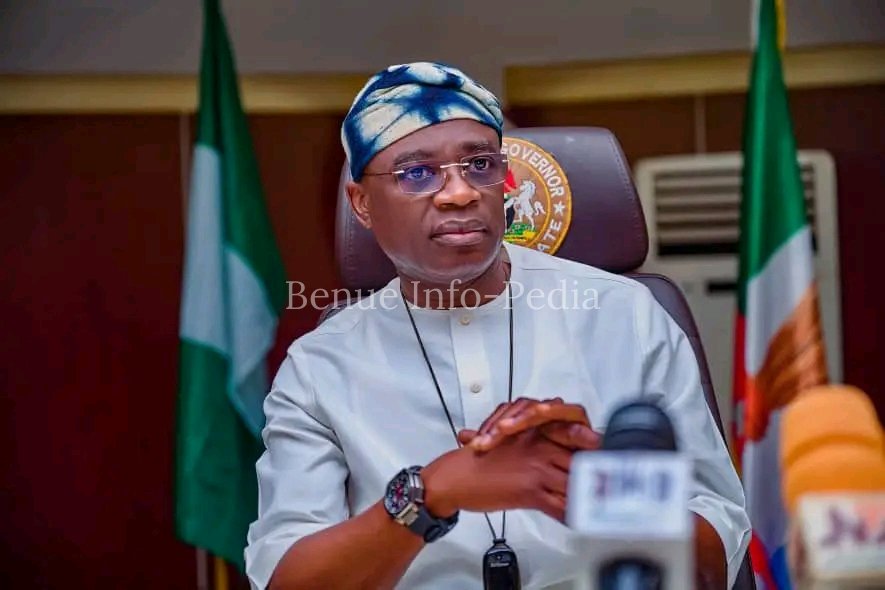
The commentator subsequently called on Governor Rev. Fr. Hyacinth Alia and other political stakeholders to critically assess what he described as possible long-term implications for indigenous institutions and communities.
Important Context
At the time of reporting, no publicly available evidence has been presented linking the election of the councillor to any effort to establish an Emirate structure in Benue State.
Similarly, no official response from Councillor Muazu Mohammed, the Benue State Government, Gboko Local Government authorities, or relevant traditional institutions was included in the statement circulated online.
As a result, the concerns expressed remain the personal opinions and interpretations of the commentator.
Broader Public Debate
The discussion touches on wider national conversations surrounding citizenship rights, residency, political participation, constitutional freedoms, indigenous identity, and traditional governance systems.
Nigeria's Constitution guarantees citizens the right to participate in democratic processes irrespective of ethnic background, while debates around indigeneity and local representation continue to generate discussion in many parts of the country.
The issue therefore raises broader questions about how democratic inclusion can coexist with concerns about preserving cultural identity and traditional institutions within diverse communities.
Yung Bwoih Raises Concerns Over Fulani Councillor in Gboko Central, Warns of Implications for Traditional Institutions
A social media post by Yung Bwoih Music has reignited debate over political representation, citizenship rights, indigenous identity, and traditional institutions following concerns raised about a Fulani councillor representing Gboko Central.
Comments
Join the Discussion
No comments yet. Be the first to share your thoughts!
Sign in to join the conversation.